
Wild Amazonian Harvest: The Ancient Canopy of Brazil Nuts
50-meter ancient canopies, indigenous forest guardians, and nature's most concentrated selenium reservoir.
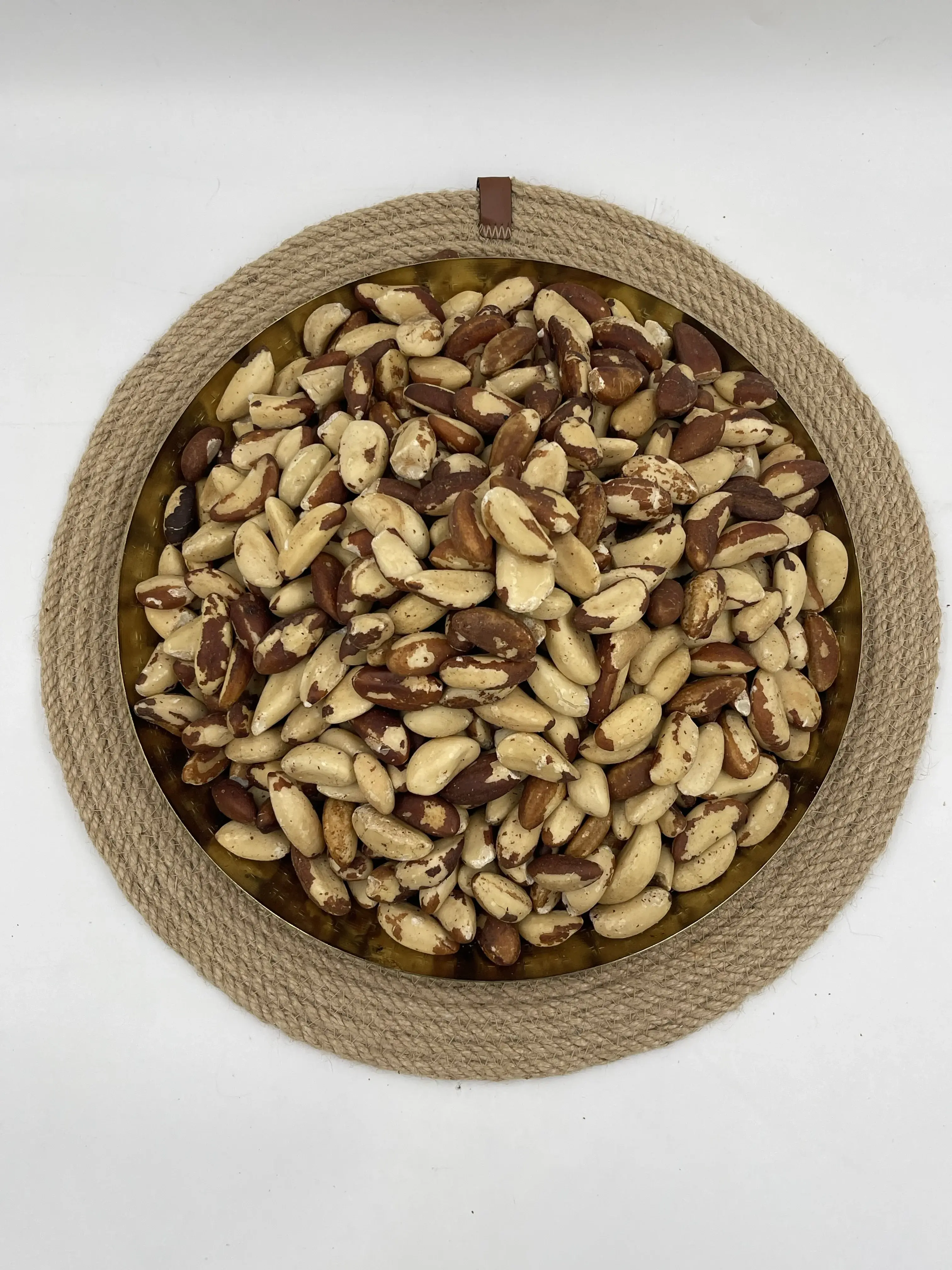
- ✓Brazil nuts cannot be cultivated in commercial monoculture orchards; they require virgin rainforest biodiversity and specialized wild orchid bees (Euglossini) for pollination.
- ✓Wild foraging conducted by indigenous Castanheiros cooperatives creates an insurmountable economic incentive against deforestation, preserving millions of forest hectares.
- ✓It represents earth's premier source of bioavailable L-selenomethionine; just 2 nuts per day fulfill 100% of optimal selenium requirements and catalyze Glutathione Peroxidase (GPx).
- ✓Gentle shaded post-harvest dehydration and oxygen-barrier packaging are strictly maintained to prevent delicate lipid peroxidation of pristine fatty acids.
Deep within the primary canopies of the Amazon Basin, defying the monoculture paradigms of modern agriculture, stands a colossal botanical monument: Bertholletia excelsa. Revered for centuries by indigenous riverine communities as the "Life Capsule of the Forest", the wild Brazil nut represents one of nature's most pristine biochemical gifts to human longevity.
1. The 50-Meter Canopy Sanctuary: Sovereign of the Wild Forest
Towering 50 meters above the forest floor and living between 500 to 1,000 years, Bertholletia excelsa crowns the upper canopy of the Amazon basin. Every historical attempt to domesticate these giants into modern agricultural plantations has failed. The flower requires heavy, long-tongued orchid bees (Euglossini)—a species incapable of surviving outside the hyper-diverse native rainforest ecosystem.
Following intricate pollination, the tree nurtures its fruit for 14 months. The mature fruit develops into an impenetrable, cannonball-like wooden capsule known as the "Ouriço". Within this armored shell, 15 to 24 Brazil nut seeds are tightly nested in breathtaking geometric perfection.
“Consuming wild Brazil nuts is far more than clean nourishment; it is an active participation in preserving the virgin canopies of the living Amazon.”—
2. Castanheiros: The Indigenous Custodians of the Harvest
Between January and March, during the zenith of the wet season, the torrential winds dislodge the weighty ouriço pods, which plunge to the damp forest floor. For the indigenous "Castanheiros", this marks the dawn of a sacred seasonal cycle. Navigating the dense wilderness, harvesters establish low-impact forest encampments, expertly cleaving open the woody capsules with traditional machetes.
This non-timber forest product economy provides substantial livelihoods for thousands of riverine families, presenting an invincible economic barrier against timber logging and cattle ranching.
Ecological Harvest Standards
- •Zero Agricultural Inputs: 100% wild-foraged without synthetic fertilizers, pesticides, or genetic intervention.
- •Fallen-Pod Ethics: Trees are never climbed or traumatized; harvesters collect exclusively naturally shed, fully ripened capsules.
- •Direct Co-op Fair Trade: Bypassing speculative middlemen to ensure dignified, above-market compensation for harvesting tribes.
3. Apex Cellular Shield: Bioavailable L-Selenomethionine & Thyroid Balance
What distinguishes the Brazil nut from every other botanical superfood is its unparalleled concentration of bioavailable selenium. A single whole kernel delivers 100% to 175% of the adult Recommended Daily Allowance. Unlike synthetic multivitamin isolates, this selenium exists in the organic L-selenomethionine matrix, allowing seamless tissue incorporation.
Selenium serves as the indispensable catalytic cofactor for Glutathione Peroxidase (GPx)—the cell's most potent endogenous antioxidant enzyme. Furthermore, it regulates iodothyronine deiodinases, the critical enzymes responsible for converting inactive T4 hormone into bioactive T3 in the human thyroid gland.
Consuming strictly 2 kernels daily provides optimal antioxidant defense without risking trace mineral saturation. In functional nutrition, micro-dosing nutrient-dense botanicals is superior to excessive consumption.
Gastronomic Sensory Notes & Pairings
Rich, unctuous mouthfeel with subtle notes of sweet raw cream, profound mineral depth, and a prolonged buttery finish.
- Single-origin 85%+ dark chocolate and raw cacao nibs
- Sun-dried black figs, dark plums, and wild mountain wildflower honey
- Arugula salads tossed with cold-pressed extra virgin olive oil and flaky sea salt
Due to vulnerable polyunsaturated lipids, preserve in airtight dark glass containers in a cool pantry or refrigeration.
How many Brazil nuts should I consume daily?
Consuming 1 to 2 whole nuts daily delivers the optimal, biochemically safe therapeutic dose of selenium and trace minerals.
Why should Brazil nuts be eaten raw rather than roasted?
High thermal roasting degrades delicate organic selenomethionine and promotes lipid oxidation. Raw, cold-stored nuts maintain active enzymatic integrity.
Food Biochemist & Ethnobotany Researcher
Field researcher specializing in wild foraging cooperatives and antioxidant bioactive compounds in the Amazon Basin.
Featured Products in This Article
Continue Reading
The Art of Sun-Curing: Pure Sugar-Free Fruit Preservation
Zero-sulfur, zero-additive dehydration methods that seal pure caramel notes and active dietary fibers in pristine Mediterranean plum harvests.
In-Shell Superfoods: Nature’s Ultimate Freshness Barrier
Exploring lipid stability, Omega-7 retention, and radical freshness preserved by natural botanical armor in whole in-shell macadamias and pecans.